

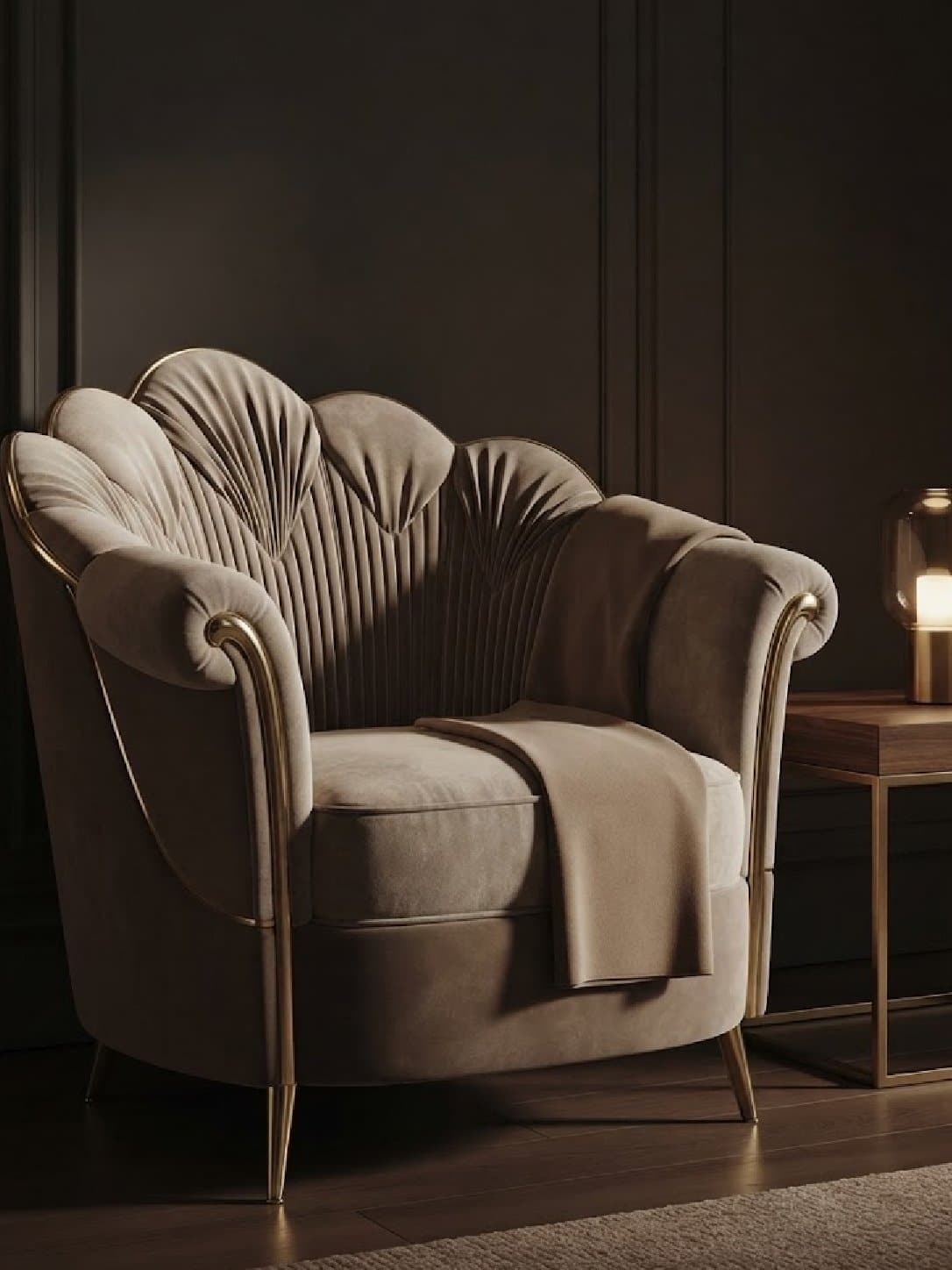
A carefully selected Luxury Chair 2026 can introduce comfort, character, and visual balance to a living room, dining area, bedroom, or private reading corner. At ElMalek Furniture, chair designs combine supportive proportions, refined upholstery, dependable construction, and carefully selected finishes. Therefore, the right chair should provide more than decoration; it should improve everyday comfort while complementing the complete interior.

Why the Right Chair Matters
A chair often occupies less space than a sofa, yet it can strongly influence the room’s style and function. Its shape, upholstery, height, and position can create a focal point or support a larger furniture arrangement.
Moreover, chairs allow homeowners to introduce color and texture without changing the complete interior. A distinctive accent chair may create contrast beside a neutral sofa, while coordinated dining chairs can connect the table, lighting, and surrounding storage.
Comfort and Visual Character
Seat depth, back angle, cushioning, and arm position determine how comfortable a chair feels. Meanwhile, fabric, wood, and decorative details establish its visual character. A successful design balances both considerations instead of prioritizing appearance alone.
Browse the available chair collection to compare accent seating, dining chairs, upholstered designs, and furniture for different rooms.
Luxury Chair 2026 Design Trends
The latest Luxury Chair 2026 trends combine sculptural shapes, comfortable upholstery, warm neutral colors, and refined material contrasts. Rather than relying on excessive ornamentation, contemporary luxury focuses on proportion, texture, and craftsmanship.
Curved silhouettes also continue to shape modern interiors. Rounded backs, enveloping arms, and softly padded edges create a welcoming appearance while balancing straight architectural lines.
Sculptural Curved Forms
Curved chair backs and rounded armrests create a softer visual effect. In addition, these forms coordinate naturally with oval tables, circular rugs, and organic lighting fixtures.
Warm Neutral Upholstery
Beige, ivory, taupe, warm grey, and sand tones create a flexible foundation. Therefore, homeowners can update cushions, curtains, rugs, or artwork without replacing the chair.
Natural Wood and Metal Details
Visible wooden legs introduce warmth, while subtle metal accents create a more contemporary edge. However, the selected finish should connect with nearby tables, lighting, and storage furniture.

Accent Chairs for Living Rooms
An accent chair can complete a conversation area, fill an unused corner, or introduce a stronger design feature beside a sofa. Its role should remain clear so the piece contributes to the room instead of creating unnecessary clutter.
For example, a pair of matching chairs can balance a large sofa, while one sculptural design may create a focal point in a compact interior. The best choice depends on the seating capacity and available floor space.
Position Chairs for Conversation
Angle accent chairs toward the main sofa or central coffee table. As a result, family members and guests can communicate naturally without turning their bodies into uncomfortable positions.
Use Pairs for Symmetry
Two matching chairs create visual balance and provide flexible seating. By contrast, one larger statement chair can add character when the room lacks space for a full pair.
Connect the Chair with the Sofa
The upholstery does not need to match the sofa exactly. Instead, repeat one connecting element, such as a color, wood tone, metal finish, or fabric texture.
Dining Chairs for Elegant Meals
Dining chairs must balance comfort, durability, and suitable dimensions. Guests may remain seated through several courses and extended conversations, so the seat and backrest need to provide dependable support.
Chair width also affects the total seating capacity. Wide armchairs require more space than compact side chairs, which means the real chair dimensions should guide the table arrangement.
Correct Seat Height
The seat should provide comfortable clearance beneath the tabletop. Therefore, measure the chair height together with the table apron or base before confirming the final combination.
Supportive Backrests
A well-proportioned backrest supports a relaxed sitting position without forcing the body too far forward. Curved designs may also support the upper back while creating a more elegant silhouette.
End Chairs with Arms
At a rectangular dining table, the two end chairs may include arms or feature a slightly different design. This approach introduces visual interest while preserving a coordinated arrangement.
Bedroom and Reading Chairs
A bedroom chair can support dressing, reading, relaxation, or temporary storage. However, the furniture should not block wardrobe doors, curtains, or natural circulation around the bed.
Comfort becomes especially important in a reading corner. A supportive back, suitable seat depth, and nearby lighting can transform a quiet area into a practical personal retreat.
Compact Chairs for Bedrooms
A smaller chair can fit beside a window, dresser, or unused wall without dominating the room. Raised legs and slim arms may also create a visually lighter appearance.
Create a Reading Corner
Place a floor lamp or side table beside the chair for books, drinks, and personal items. Furthermore, a small rug can visually define the corner without separating it from the bedroom.
Choosing the Correct Chair Size
A chair may appear compact in a showroom but occupy more space once placed inside the room. Measure the complete width, depth, and height, including arms, curved backs, and extended legs.
Next, include enough clearance for movement, nearby tables, curtains, doors, and surrounding furniture. This process helps prevent the room from feeling crowded after delivery.
Measure the Complete Exterior
Do not rely only on seat dimensions. Armrests, backrest angles, decorative sides, and exposed frames may add considerable width and depth.
Preserve Comfortable Walkways
Keep primary circulation routes free from chair legs and side tables. Otherwise, an attractive piece may reduce the room’s daily functionality.
Check Delivery Access
Measure the building entrance, elevator, stairway, corridor, and room door. A wide chair may fit the final position but fail to pass through a narrow delivery route.
Seat Depth and Everyday Comfort
Seat depth influences posture and determines whether the chair supports upright sitting or relaxed lounging. Deeper seats often suit reading and informal relaxation, while moderate depth helps users keep their feet comfortably on the floor.
Seat height also affects comfort. A very low chair can feel difficult to enter or leave, whereas excessive height may prevent the feet from resting naturally.
Upright Sitting
Dining chairs and formal accent chairs often use moderate seat depth and supportive backs. This configuration encourages a more upright and engaged sitting position.
Relaxed Lounging
A deeper seat, padded arms, and a slightly reclined back can support reading and relaxation. Nevertheless, the proportions should suit the users rather than following appearance alone.
Frame Construction and Long-Term Stability
The internal frame determines how well a chair handles regular use. Properly prepared wood, accurate joints, stable legs, and dependable support beneath the seat all contribute to long-term performance.
Weak joints may allow movement or create noise. Therefore, evaluate structural quality alongside exterior upholstery, stitching, and decorative details.
Stable Wooden Frames
Suitable hardwood can provide a dependable internal foundation when manufacturers prepare and assemble it correctly. Moreover, strong joints help the chair remain aligned during regular sitting and movement.
Secure Legs and Supports
Chair legs carry concentrated weight and require secure connections. Check that every leg meets the frame correctly and that the chair rests evenly on the floor.
Seat Suspension
The system beneath the cushion supports the user and affects comfort. A dependable structure helps distribute weight and protects the upholstery from uneven stress.
Cushioning and Foam Support
Cushion density influences both comfort and shape retention. Very soft foam may feel comfortable at first but can lose definition quickly, whereas excessively firm padding may reduce relaxation.
Layered cushioning can balance these requirements. Firmer internal foam provides support, while a softer upper layer improves the first impression when someone sits down.
Supportive Seat Cushions
The seat should support the body without excessive sinking. Consequently, users can sit comfortably while the chair maintains a refined silhouette.
Padded Backrests
Back padding should provide comfort without pushing the body forward. The correct balance depends on the chair’s intended use and backrest angle.
Selecting Upholstery Materials
Upholstery determines the chair’s texture, color, maintenance requirements, and overall mood. Velvet creates visual depth, while woven fabrics offer a lighter contemporary appearance.
Leather and leather-inspired finishes can create a more structured character. However, the selected material should suit the room temperature, frequency of use, and preferred cleaning routine.
Velvet Upholstery
Velvet reflects light differently across its surface, which creates richer colors and a distinctive visual effect. Nevertheless, homeowners should follow suitable care instructions to preserve its appearance.
Woven Textured Fabrics
Woven upholstery introduces subtle texture without excessive shine. In addition, neutral fabrics coordinate naturally with wood, marble, glass, and metal furniture.
Leather Finishes
Leather can suit formal offices, dining areas, and sophisticated living rooms. Choose a finish that matches the expected use and overall interior style.
Color and Texture Coordination
A chair can match the surrounding furniture or introduce controlled contrast. Neutral upholstery creates flexibility, while deeper colors turn the chair into a stronger focal point.
For example, a green chair may connect with artwork, cushions, or curtains. Repeating the accent color in several places makes the decision feel intentional rather than isolated.
Coordinate with the Sofa
Use a chair color that complements the sofa instead of matching it exactly. A shared undertone, fabric texture, or decorative detail can connect both furniture pieces.
Repeat Wood and Metal Finishes
Connect chair legs with nearby tables, cabinets, or lighting through one consistent wood or metal finish. As a result, the complete room feels more harmonious.
Avoid Excessive Patterns
A bold chair pattern can create character, but too many competing designs may overwhelm the room. Use calmer surrounding fabrics and accessories to maintain balance.
Chairs for Small Rooms
Compact interiors benefit from chairs with slim arms, raised legs, and controlled depth. These details preserve usable seating while reducing visual weight.
Place the chair where it supports a real activity, such as reading or conversation. Adding furniture only to fill an empty corner can restrict circulation without improving the room.
Raised Legs
Exposed floor beneath the chair creates a lighter visual effect. Furthermore, raised legs may simplify cleaning around and beneath the furniture.
Slim Armrests
Narrow arms can provide more usable seat width within the same exterior dimensions. Therefore, they work well in apartments and compact living rooms.
Curved Backs
A curved back can provide visual softness without requiring a bulky rectangular frame. However, include its full depth when measuring the available space.
Lighting around Accent Chairs
Lighting helps define the chair’s function and emphasizes its materials. A floor lamp can turn an accent chair into a reading corner, while controlled wall lighting can highlight its shape.
Place light where the user needs it rather than positioning fixtures for decoration alone. Meanwhile, keep lamp bases and electrical cables away from main walkways.
Floor Lamps
A floor lamp can provide focused light without requiring a side table. Its height and shade direction should suit reading while avoiding uncomfortable glare.
Table Lamps
A small table and lamp can support books, drinks, and personal items. Nevertheless, the complete arrangement should preserve comfortable movement around the chair.
Customization for Personal Interiors
Customization allows chair dimensions, upholstery, wood finishes, and decorative details to respond to the room and homeowner’s preferences. Depending on the selected design, options may include fabric color, leg finish, cushion firmness, and selected proportions.
Adjusted dimensions can solve difficult layouts. A narrower chair may fit beside a window, while a modified seat depth can better support the intended user.
Compare Fabric Samples
View samples under the room’s actual lighting whenever possible. This step helps reveal the true color and texture beside the flooring, walls, curtains, and surrounding furniture.
Select the Leg Finish
Coordinate wooden or metal legs with nearby furniture. Consequently, the customized chair maintains a clear relationship with the complete interior.
Chair Care and Maintenance
Regular maintenance protects the upholstery, frame, legs, cushions, and decorative finishes. Begin by removing surface dust with a suitable tool, then treat spills according to the selected material’s care instructions.
- Remove dust from upholstery regularly
- Treat spills as quickly as possible
- Avoid harsh chemicals and abrasive tools
- Protect fabric and wood from excessive sunlight
- Check legs and frame connections periodically
- Rotate removable seat cushions when appropriate
- Avoid dragging chairs across the floor
- Use suitable floor protection beneath the legs
Correct loose fittings, uneven legs, or unusual movement as soon as you notice them. Consequently, the chair can maintain its comfort, stability, and appearance for longer.
Furniture Designed for Long-Term Value
A well-made Luxury Chair 2026 should remain comfortable and visually relevant beyond temporary trends. Timeless proportions allow homeowners to refresh the room through tables, rugs, artwork, curtains, and accessories.
Strong construction, supportive cushioning, and practical upholstery contribute to long-term performance. Ultimately, the right chair becomes a dependable part of daily routines and special gatherings.
Chair Buying Guide
- Define the chair’s main purpose
- Measure the available floor area
- Check the complete width, depth, and height
- Compare seat depth and backrest support
- Inspect the internal frame and leg connections
- Select upholstery that suits daily use
- Coordinate the chair with nearby furniture
- Measure entrances, elevators, and corridors
Following these steps helps the chair suit the room practically and visually. The final choice should improve comfort, support the intended activity, and complement the complete interior.
Explore ElMalek Chair Designs
Selecting an elegant chair begins with accurate measurements and a clear understanding of comfort, function, upholstery, and style requirements.
Explore the premium seating range or browse the complete living room collection to discover coordinated options for apartments, villas, dining rooms, bedrooms, and reception spaces.
Frequently Asked Questions
How do I choose the correct chair size?
Measure the complete exterior width, depth, and height. Also include space for nearby tables, doors, curtains, and comfortable movement around the chair.
Which upholstery is suitable for everyday use?
The best material depends on the room, expected usage, and cleaning preferences. Practical woven fabrics may suit busy homes, while velvet or leather can create a more formal appearance.
Can I customize the fabric and wood finish?
Available customization may include upholstery, color, leg finish, cushion firmness, dimensions, and selected decorative details.
How much space should remain around an accent chair?
Leave enough room for comfortable access and movement. The required clearance depends on the chair dimensions, surrounding furniture, and natural route through the room.
How should an upholstered chair be maintained?
Remove dust regularly, treat spills quickly, follow the fabric care instructions, protect the chair from excessive sunlight, and inspect the frame and legs periodically.


Leave a Reply